



In 2024, in a world of virtual water cooler chats and brainstorming sessions conducted in pyjamas, remote teams have become as prevalent as coffee stains in conference rooms. But amidst the sea of pixels and endless Zoom calls, building trust among team members can feel like navigating a virtual maze blindfolded. Let us take the blindfold off, we have got some trust-building strategies to gaze upon.
Prior to delving into the details, I’d like to suggest a fantastic resource: https://meetgeek.ai/ This tool proves invaluable for team members unable to attend meetings, providing them with a concise summary featuring highlighted topics, feedback, and crucial moments in a simplified transcription, sparing them the need to sit through a lengthy three-hour session.
Clear Communication and Expectations:
Clearly define roles, responsibilities, and project objectives from the outset.
Make sure everyone understands what is expected of them and the timeline for deliverables. This clarity helps in avoiding misunderstandings and fosters accountability.
- Define Goals: Clearly state what you want to achieve with the project.
- Assign Tasks: Make it clear who’s responsible for what.
- Share Deadlines: Set clear dates for when things need to be done.
- Encourage Questions: Make sure everyone understands and feels comfortable asking if they’re unsure about something.
- Provide Support: Offer help and resources if needed.
- Keep Track: Regularly check progress to make sure things are going as planned.
- Give Feedback: Let people know how they’re doing and address any issues early on.
Regular Check-ins
Schedule regular check-in meetings to discuss progress, address challenges, and provide support. These meetings can be weekly or bi-weekly, depending on the project’s scope and complexity. Use video calls whenever possible to maintain a sense of connection.
- Pick a Regular Time: Choose a consistent time for meetings that works for everyone.
- Check Progress: Talk about what’s been done since the last meeting.
- Discuss Challenges: Address any problems team members are facing and figure out solutions together.
- Offer Help: Make sure everyone has what they need to succeed.
- Review Deadlines: Remind everyone of upcoming deadlines and what needs to be done.
- Use Video Calls: Whenever you can, use video calls to keep the team connected.
- Take Notes: Write down what was discussed and who’s responsible for what.
- Follow-Up: Share notes after the meeting and check on progress before the next one.
Encourage Collaboration:
Foster a collaborative environment where team members feel comfortable sharing ideas and collaborating on tasks. Encourage brainstorming sessions, peer reviews, and cross-functional teamwork to promote a sense of belonging and shared ownership.
- Encourage Sharing: Make it easy for team members to share ideas and thoughts openly.
- Have Brainstorming Sessions: Schedule times for everyone to come together and brainstorm ideas.
- Review Each Other’s Work: Give and receive feedback from team members to improve everyone’s work.
- Work Across Departments: Encourage teamwork between different areas of the organization to combine strengths.
- Celebrate Collaboration: Recognize and reward instances where team members work well together.
- Lead by Doing: Show your team how to collaborate by actively involving them in decisions and discussions.
Provide Opportunities for Social Interaction:
In addition to work-related meetings, allocate time for informal virtual gatherings or team-building activities. This could include virtual coffee breaks, online games, or casual conversations to help team members get to know each other on a personal level.
Go check out: https://teambuilding.com/blog/virtual-event-ideas
- Coffee Chats: Schedule virtual coffee breaks for casual chats.
- Games Night: Have fun with online games together.
- Chill Conversations: Create spaces for non-work chats on messaging apps.
- Happy Hours: Host virtual social events after work.
- Team Challenges: Plan activities that encourage teamwork.
- Virtual Lunches: Eat together over video calls.
- Recognize Achievements: Acknowledge team members’ successes.
Acknowledge and Reward Contributions:
Recognize and appreciate the efforts of team members publicly. Acknowledge their achievements, milestones, and contributions towards the project’s success. This recognition boosts morale and motivates team members to continue performing at their best.
Be Empathetic and Supportive:
Understand that remote work can sometimes feel isolating, and team members may face personal challenges. Be empathetic and offer support whenever needed. Flexibility in work schedules and understanding personal circumstances can go a long way in building trust and loyalty.
Lead by Example:
As a project manager, lead by example by demonstrating trustworthiness, integrity, and accountability in your actions. Be responsive to team members’ queries, adhere to deadlines, and communicate openly. Your behavior sets the tone for the team’s culture.
Invest in Team Development:
Provide opportunities for skill development and training to help team members grow both personally and professionally. Investing in their professional development demonstrates your commitment to their success and strengthens their trust in you as a leader.
Seek Feedback and Continuous Improvement:
Encourage feedback from team members about their remote work experience, challenges they face, and suggestions for improvement. Use this feedback to iteratively improve remote work processes and foster a culture of continuous improvement.
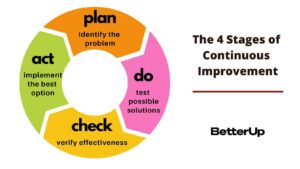
By implementing these strategies, digital project managers can create a supportive and collaborative remote work environment where trust flourishes, leading to increased productivity, morale, and ultimately, project success.