Category

Leadership

Crafting a Solid Base for Team Happiness and Efficiency as a Project Manager

By Leadership, Project Managment No Comments

As I enter my third week:

In my new position as a project manager at a marketing agency, I’ve been overseeing their web development team entirely remotely. Managing a team from afar definitely has its challenges, but I’ve been sticking to a few key points that have helped me connect with my team and keep a people-focused mindset throughout these weeks.

Listen and Learn:

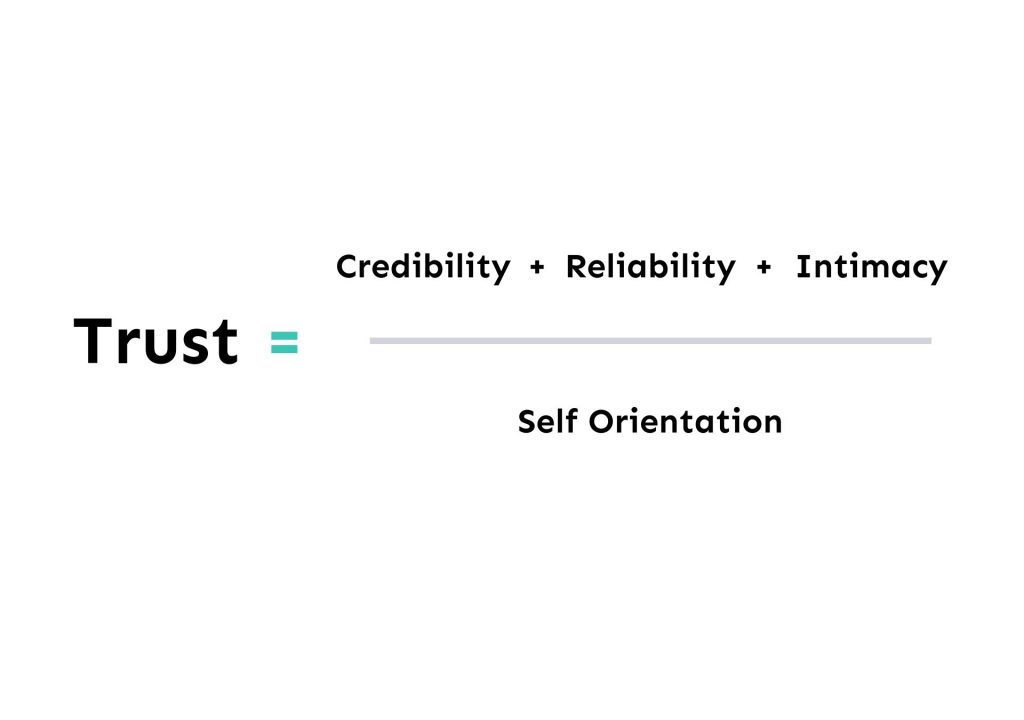
Start by getting a feel for how your new team operates. Set up one-on-one chats with each team member to get to know them better on both a personal and professional level. Listen closely to what they have to say about their perspectives, worries, and goals. You must be genuinely invested in their happiness and this paves the way for trust and collaboration.

Clarify Goals and Expectations:

Establish clear and attainable goals for the team, making sure everyone knows their part in achieving them. Keep communication open and honest about what’s expected, when things need to be done, and what needs to be delivered. This helps everyone work together toward a shared objective. Invite input from team members to fine-tune these goals and create a feeling of ownership among them.

Cultivate Open Communication:

Encourage your team members to freely share their ideas, concerns, and feedback by implementing an open-door policy. Foster a culture of positive communication by emphasizing the importance of active listening, appreciating different viewpoints, and resolving conflicts respectfully.

Celebrate Achievements:

Make sure to recognise and celebrate the achievements of both individuals and teams regularly. Giving praise, whether it’s through a simple “thank you” or a public acknowledgment, helps to reinforce good behaviour and improve team morale. Encourage a culture of gratitude where every effort is appreciated and acknowledged.

Lead by Example:

In your role as project manager, you play a crucial role in shaping the team dynamic. Lead by showing integrity, resilience, and dedication to your work. Be open in how you make decisions and actively seek input from your team members. Show understanding, modesty, and a readiness to acknowledge and grow from errors.

Foster a Sense of Belonging:

To connect with your team truly, it’s important to nurture a feeling of unity by celebrating diversity and inclusivity. Embrace varying backgrounds, perspectives, and thoughts, and encourage joint efforts and strong bonds. Create a space that is welcoming and respectful for all team members, where everyone feels appreciated and heard.

Building Trust in Remote Teams: Strategies for Digital Project Managers

By Leadership, Project Managment No Comments

In 2024, in a world of virtual water cooler chats and brainstorming sessions conducted in pyjamas, remote teams have become as prevalent as coffee stains in conference rooms. But amidst the sea of pixels and endless Zoom calls, building trust among team members can feel like navigating a virtual maze blindfolded. Let us take the blindfold off, we have got some trust-building strategies to gaze upon.

Prior to delving into the details, I’d like to suggest a fantastic resource: https://meetgeek.ai/  This tool proves invaluable for team members unable to attend meetings, providing them with a concise summary featuring highlighted topics, feedback, and crucial moments in a simplified transcription, sparing them the need to sit through a lengthy three-hour session.


Clear Communication and Expectations:

Clearly define roles, responsibilities, and project objectives from the outset.
Make sure everyone understands what is expected of them and the timeline for deliverables. This clarity helps in avoiding misunderstandings and fosters accountability.

  • Define Goals: Clearly state what you want to achieve with the project.
  • Assign Tasks: Make it clear who’s responsible for what.
  • Share Deadlines: Set clear dates for when things need to be done.
  • Encourage Questions: Make sure everyone understands and feels comfortable asking if they’re unsure about something.
  • Provide Support: Offer help and resources if needed.
  • Keep Track: Regularly check progress to make sure things are going as planned.
  • Give Feedback: Let people know how they’re doing and address any issues early on.


Regular Check-ins

Schedule regular check-in meetings to discuss progress, address challenges, and provide support. These meetings can be weekly or bi-weekly, depending on the project’s scope and complexity. Use video calls whenever possible to maintain a sense of connection.

  • Pick a Regular Time: Choose a consistent time for meetings that works for everyone.
  • Check Progress: Talk about what’s been done since the last meeting.
  • Discuss Challenges: Address any problems team members are facing and figure out solutions together.
  • Offer Help: Make sure everyone has what they need to succeed.
  • Review Deadlines: Remind everyone of upcoming deadlines and what needs to be done.
  • Use Video Calls: Whenever you can, use video calls to keep the team connected.
  • Take Notes: Write down what was discussed and who’s responsible for what.
  • Follow-Up: Share notes after the meeting and check on progress before the next one.


Encourage Collaboration:

Foster a collaborative environment where team members feel comfortable sharing ideas and collaborating on tasks. Encourage brainstorming sessions, peer reviews, and cross-functional teamwork to promote a sense of belonging and shared ownership.

  • Encourage Sharing: Make it easy for team members to share ideas and thoughts openly.
  • Have Brainstorming Sessions: Schedule times for everyone to come together and brainstorm ideas.
  • Review Each Other’s Work: Give and receive feedback from team members to improve everyone’s work.
  • Work Across Departments: Encourage teamwork between different areas of the organization to combine strengths.
  • Celebrate Collaboration: Recognize and reward instances where team members work well together.
  • Lead by Doing: Show your team how to collaborate by actively involving them in decisions and discussions.


Provide Opportunities for Social Interaction:

In addition to work-related meetings, allocate time for informal virtual gatherings or team-building activities. This could include virtual coffee breaks, online games, or casual conversations to help team members get to know each other on a personal level.

Go check out: https://teambuilding.com/blog/virtual-event-ideas

  • Coffee Chats: Schedule virtual coffee breaks for casual chats.
  • Games Night: Have fun with online games together.
  • Chill Conversations: Create spaces for non-work chats on messaging apps.
  • Happy Hours: Host virtual social events after work.
  • Team Challenges: Plan activities that encourage teamwork.
  • Virtual Lunches: Eat together over video calls.
  • Recognize Achievements: Acknowledge team members’ successes.


Acknowledge and Reward Contributions:

Recognize and appreciate the efforts of team members publicly. Acknowledge their achievements, milestones, and contributions towards the project’s success. This recognition boosts morale and motivates team members to continue performing at their best.


Be Empathetic and Supportive:

Understand that remote work can sometimes feel isolating, and team members may face personal challenges. Be empathetic and offer support whenever needed. Flexibility in work schedules and understanding personal circumstances can go a long way in building trust and loyalty.


Lead by Example:

As a project manager, lead by example by demonstrating trustworthiness, integrity, and accountability in your actions. Be responsive to team members’ queries, adhere to deadlines, and communicate openly. Your behavior sets the tone for the team’s culture.


Invest in Team Development:

Provide opportunities for skill development and training to help team members grow both personally and professionally. Investing in their professional development demonstrates your commitment to their success and strengthens their trust in you as a leader.


Seek Feedback and Continuous Improvement:

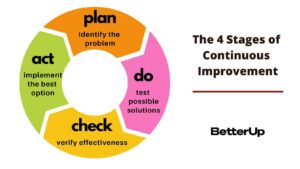
Encourage feedback from team members about their remote work experience, challenges they face, and suggestions for improvement. Use this feedback to iteratively improve remote work processes and foster a culture of continuous improvement.

https://www.betterup.com/blog/continuous-improvement#:~:text=The%20feedback%20loops%20in%20continuous,the%20success%20of%20the%20company.


By implementing these strategies, digital project managers can create a supportive and collaborative remote work environment where trust flourishes, leading to increased productivity, morale, and ultimately, project success.

Leadership Styles: South Africans Leading with Laughter

By Leadership No Comments

Leadership Styles: South Africans Leading with Laughter

Ah, leadership – the art of herding cats without getting scratched, navigating the treacherous waters of office politics, and trying to convince your team that “team-building exercises” are not just code for “mandatory fun.”

Let’s explore the common types of leadership with a splash of chakalaka.


Transformational Leadership: The Braai Master
In South Africa, the braai (barbecue) isn’t just a cooking method; it’s a way of life. Transformational leaders are like the braai masters of the office. They inspire and motivate their teams with the promise of a sizzling vision, challenging the status quo like introducing Tuna biltong to the market (Jeepers who even eats that stuff). With their marinade of innovation and their secret spice rub of charisma, they turn a bland workday into a mouthwatering feast of success.

  • Aligning a company’s identity and interests with those of its employees
  • Identifying common goals and objectives
  • Identifying opportunities for improvement and developing a vision to match
  • Challenging team members or employees to take responsibility
  • Giving team members control over their jobs and duties



Transactional Leadership: The Tannie with the Receipts
Ever go to a tuckshop and see a Gogo behind the counter, tallying up your purchases with the speed and precision of an accountant? That’s transactional leadership in action. These leaders thrive on structure, clarity, and accountability, making sure everyone knows exactly who owes what and when. Just like the Tannie, they’re not afraid to whip out the calculator when things don’t add up.

  • Success is clearly defined
  • Expectations and job roles are clear
  • Identify problem areas or low-performing employees quickly
  • Easier to make cost-effective decisions
  • Individual employees are motivated to compete and succeed
  • High-performing employees are consistently rewarded



Servant Leadership: The Ubuntu Warrior
In the spirit of Ubuntu, servant leaders are all about putting others first. They’re the ones who offer to share their lunch with a hungry colleague or lend a sympathetic ear when someone needs to vent about load shedding. With their ethos of collaboration and empathy, they create a workplace where everyone feels valued and supported, like a big South African hug in human form.

  • Setting the strategic vision for the company and communicating that down to the team level
  • Encouraging ownership and extending supported trust to the team
  • Making sure that the team has the required resources, budget, skills, and attention to make an impact
  • Providing a framework within which their team can flourish 
  • Bottom-up empowerment, which means building their team members’ self-confidence, decision-making abilities, and collaboration skills



Authentic Leadership: The Gogo with the Wisdom
Every community has that one gogo (grandmother) whose wisdom is as vast as the Karoo desert. Authentic leaders are likewise gogos, leading with integrity and honesty. They’re not afraid to speak their mind or share their life lessons, whether it’s how to cook the perfect potjie or how to navigate the choppy waters of office politics. In a world of Instagram filters and fake news, their authenticity shines like a beacon of truth.

  • Boosting your intrinsic motivation (and decreasing your reliance on others for motivation)
  • Following through with more ethical leadership behavior so you do not feel guilty at work
  • Setting a positive example for the entire organization
  • Building a positive company culture that is also inclusive
  • Higher levels of trust and strengthened employee/employer relationships



Charismatic Leadership: The Rally Man
In the vibrant tapestry of South African culture, there’s always room for a bit of drama and flair. Charismatic leaders are like the township storytellers, captivating their audience with their larger-than-life personalities and infectious energy. They’re the life of the office party, the masters of the motivational speech, and the ones who can turn a mundane Monday morning meeting into a celebration worthy of a street parade.

  • Charismatic leaders motivate and inspire the workforce
  • Encourages the importance of camaraderie, collaboration, and teamwork
  • It involves good listening skills; hence employee queries do not go unheard
  • Creates a sense of positive change


Democratic leadership: The Parent at School
Much like a parent serving on a parent committee for a South African school, thrives on inclusivity and collaboration. She ensures that all voices are heard, inviting input, ideas, and feedback from fellow committee members. By fostering an environment of collaboration and consensus-building, she encourages creativity, engagement, and commitment among the team. This approach not only empowers individuals but also cultivates a sense of ownership and responsibility within the committee, ultimately leading to better outcomes for the school and its community.

  • Brings more viewpoints to the table. 
  • Allows for more efficient problem-solving.
  • Invites higher levels of commitment
  • Builds team relationships
  • Increases morale and job satisfaction
  • Honesty is prioritised
  • A strong and clear vision for the future is built



Laissez-Faire Leadership: The Kommetjie Surfer
Last but not least, we have the laissez-faire leader, the laid-back beachman of the office. Like a surfer riding the waves, they prefer to go with the flow, giving their team the freedom to chart their own course. While they may not always be the most hands-on leaders, they trust in their team’s abilities to get the job done, even if it means occasionally wiping the sand off their laptops.

  • Encourages personal growth
  • Encourages accountability
  • Gives employees creative freedom
  • Prompts professional development
  • Creates a relaxed work environment


In conclusion, leadership in South Africa is as diverse and colorful as the rainbow nation itself. Whether you’re firing up the braai of transformational change or sharing the wisdom of the gogos, remember to lead with laughter, humility, and a healthy dose of South African spirit. After all, as we say in Mzansi, “n Boer maak n plan” (a farmer always finds a way).

There is no wrong way of leadership, situations call for different styles of leadership. Which leadership styles do you resonate most with?

Close Menu

About Salient

The Castle
Unit 345
2500 Castle Dr
Manhattan, NY

T: +216 (0)40 3629 4753
E: hello@themenectar.com