


Alright mense, buckle up.
We’re about to dive into the wild world of Mzansi project management. Picture this: digital marketing and software development, two fields where success isn’t just about having the fanciest gadgets or the most kiff strategies.
Nope, it’s all about having a lekker team of geniuses who can navigate through the chaos like the Springboks. But let’s face it, the old-school, top-down approach just ain’t cutting it anymore. As South Africa gears up to become a digital innovation powerhouse, it’s time to throw out the rulebook and embrace self-managed teams.
The Drama of Agile Project Management
In the fast-paced worlds of digital marketing and software development, being agile is like the holy grail. Trends change faster than you can say “SEO optimisation,” client demands are as unpredictable as the weather, and new tech pops up like mushrooms after rain.
In this whirlwind of chaos, traditional management structures feel about as useful as a flip phone in 2024. Enter stage left: self-managed teams! These bad boys empower individuals to take the reins, make their own decisions, and pivot faster than a politician during election season.
The Comedy of Embracing Diversity and Inclusion
South Africa is a rainbow nation, and nowhere is that more evident than in the digital marketing and software development scene. We’ve got folks from every corner of the province, speaking every language under the sun, and bringing more perspectives to the table than a Picasso painting.
But let’s be real, getting everyone on the same page with traditional management structures is like herding cats on roller skates while high on catnip. That’s where self-managed teams are the winners. Every voice gets a chance to shine, every idea gets its moment in the spotlight, and every problem gets tackled like a boss.
It’s like a sitcom where the laughs are plenty, the camaraderie is real, and the solutions are as genius as an episode of Shark Tank.
Putting on the Show: Tips for Self-Managed Teams
Now, making the switch to self-managed teams isn’t exactly a walk in vanderbijlpark park—it’s more like a rollercoaster ride at ratanga junction with a blindfold on. But don’t be scared, dear readers, because I’ve got some tips from running my own self-managed teams that I will share, for mahala.
Let’s treat it like a production:
- Set the Stage: Before you dive in, make sure everyone knows their roles, their goals, and where the heck they’re supposed to be heading. It’s like giving your actors a script, a stage, and a spotlight—they’ll thank you later.
- Break a Leg: Encourage open communication, brainstorming sessions, and collaboration like it’s a comedy improv show. The more ideas, the merrier—just don’t forget to bring the popcorn, snacks always get people talking.
- Equip Your Cast: Give your teams the tools, resources, and training they need to steal the show. Invest in skills development, empower them to make decisions, and watch as they transform into the stars of the show.
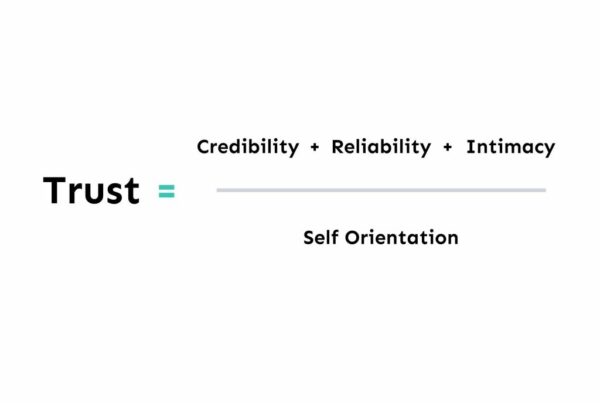
- Trust the Process: Trust is the glue that holds self-managed teams together, so make sure you’re handing out plenty of it. Let your teams take the wheel, make mistakes, and learn from them—it’s all part of the show.
- Keep ‘Em Laughing: Encourage a culture of continuous learning, adaptation, and—most importantly—laughter. After all, what’s a show without a few laughs along the way?
Curtain Call
So there you have it, folks: project management in South Africa, brought to you by self-managed teams, laughter, and a whole lot of innovation. As we continue to lead the charge in digital innovation, let’s remember to embrace the chaos, celebrate our diversity, and keep the laughs coming.
After all, in the grand production of life, it’s not about the destination—it’s about the journey, the friendships, and the memories we make along the way.